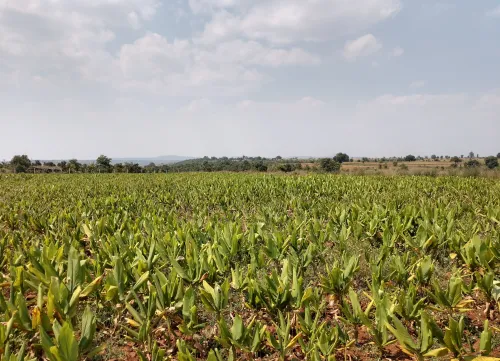
Delhi stores organic foods throughout the year, but availability at a shop does not tell you when a crop was harvested or how long it has been stored. Use harvest windows, storage history, crop origin and product form to choose fresher lots and avoid paying more for an old or poorly handled batch.
Key takeaways
- Buy Delhi wheat and rabi grains in April and May.
- Look for rice, millets and maize from October through December.
- Choose whole spices after harvest; grind them in small batches.
- Match fresh herbs and Ayurvedic raw materials to their crop cycle.
When is the organic grains season in Delhi?
Delhi has no single organic grains season: wheat and other rabi grains usually reach markets in April–May, while rice, millets and maize from kharif crops generally arrive from October–December. Retail shelves remain stocked throughout the year because grain is dried and stored after harvest.
| Grain | Usual harvest or arrival window | What the window tells you |
|---|---|---|
| Wheat | April–May | Rabi-crop replenishment |
| Rice | October–December | Kharif-crop replenishment |
| Pearl millet and other kharif millets | October–December | Recent post-monsoon lots |
| Maize | October–December | Main kharif arrivals |
| Sorghum and rabi millets | April–May | Earlier replenishment for winter-grown crops |
The best season to buy organic grains spices herbs in Delhi is a crop-specific window, not one shared month. Buy soon after the relevant harvest when traceability matters, but do not reject a stored lot solely because it is older. A sealed, well-managed lot can outperform poorly dried new grain.
Ask for the harvest year, milling date, storage conditions and moisture-control method. Check for live insects, webbing, musty odour, clumping, discolouration and broken packaging. Ask whether the stock received insect treatment or fumigation and what substance was used.
Delhi also receives grain from other states, so these months indicate market replenishment rather than a guaranteed local harvest.
The best buying months for wheat, rice, millets and maize
A recent lot is easiest to find one to three months after harvest, but Delhi’s retail shelves remain supplied throughout the year by stored grain and shipments from other states. The best season to buy organic grains, spices and herbs in Delhi is therefore a traceability window, not a guarantee of superior quality.
| Grain | Likely arrival of new North Indian lots | Best buying window for a recent lot |
|---|---|---|
| Wheat | April–May | April–July |
| Rice | October–December | October–March |
| Millets | September–December, depending on variety | October–March |
| Maize | October–December for kharif maize; April–May for rabi maize | One to three months after the relevant arrival |
Treat these months as market indicators. A sealed, well-dried older lot can outperform newly harvested grain that was packed before it reached safe storage moisture.
Before buying stored grain, ask for:
- Harvest year and milling or packing date
- The lot or batch number and the farm or processor source
- Moisture-control details, including drying and storage conditions
- Confirmation that the bag stayed off the floor and away from rain and condensation
- Evidence of inspection for weevils, webbing, holes, clumping, mould or sour odour
- The storage pest-control method, including any fumigant treatment and whether it is permitted for that organic supply chain
Reject grain with live insects, dampness, rancid smell or unexplained powder at the bottom of the bag.
Organic pulses availability in Delhi by crop
For organic pulses availability in delhi, Delhi shops remain supplied throughout the year through stored stocks and inter-state trade. To find a recent crop, target the one-to-three-month period after harvest rather than assuming the newest-looking packet is freshest.
| Crop | Main harvest or replenishment period | Best buying window for a recent lot |
|---|---|---|
| Chickpeas | March–April in North India | April–June |
| Lentils | March–April | April–June |
| Field peas | March–April | April–June |
| Kidney beans | Often September–October in hill-growing regions; Delhi stocks follow incoming consignments | October–January |
| Pigeon peas | November–January | December–February |
| Mung beans | Multiple regional crops, including summer and monsoon harvests | Check the lot date after each regional harvest |
| Black gram | More than one production window in producing states | Check the lot date rather than one fixed month |
A harvest window does not guarantee a lower price. Certified organic supply can be small, while older conventional and organic inventory continues through traders. Compare crop year, grade, cleaning, milling, pack date, certification, storage history and quantity.
Before buying, inspect the pulses for:
- Live insects, webbing or pinholes
- Excessive splitting, fading or dark patches
- Musty, sour or chemical odours
- A sample that remains hard after normal soaking and cooking
Ask where the lot was grown, when it was harvested, and how it was stored. A properly dried older pulse can cook better than a damp new lot.
When to buy whole or ground organic spices
Delhi’s organic spices season is strongest from late winter through spring, when North Indian cumin, coriander, turmeric and fenugreek arrive. The best season to buy organic grains spices herbs in delhi is not one date: check the crop’s harvest window, the Delhi arrival date and the pack’s milling date.
| Crop | Main harvest window | Delhi buying clue |
|---|---|---|
| Turmeric | January–March | Buy dried fingers after the new crop arrives; fresh rhizomes follow a separate local market |
| Chilli | December–April | New dried chilli lots commonly appear from winter into spring |
| Coriander | February–March | Look for a recent lot soon after the February–March arrivals |
| Cumin | February–April | March and April offer a good chance of recently harvested seed |
| Fenugreek | February–April | Seed is usually replenished in late winter or spring |
| Cardamom | August–February | Delhi stock follows Kerala and northeastern arrivals, not North Indian seasons |
| Black pepper | December–March | Southern harvest arrivals commonly refresh stock during winter and spring |
Choose whole cumin, coriander, pepper, cardamom, fenugreek and dried turmeric when you can grind small quantities at home. Whole spices protect aroma and volatile compounds from oxygen, light and heat better than powders sitting for months.
Choose powder for convenience only when the pack shows a recent grinding or packing date, an intact seal and a traceable batch number. Ask for the origin and harvest year if the powder smells flat, looks unusually dull, or has clumped; organic status does not guarantee freshness.
Fresh herbs, dried herbs and Ayurvedic raw materials need different calendars
Fresh culinary herbs are best bought in Delhi during the cooler months, with staggered sowing allowing coriander, mint, dill and fenugreek to appear through much of the year. Buy them early in the day and use them quickly; heat, wilting and bruised leaves destroy quality within days.
There is no single best season to buy organic grains spices herbs in delhi, and dried materials need a separate calendar. Use this checklist when buying:
- Choose fresh herbs with crisp stems, firm leaves and a clean aroma. Reject yellowing, slimy, crushed or heavily wet bunches.
- For dried culinary herbs, ask for the harvest or packing date, plant part and drying method. The material should be dry and aromatic, not leathery, dusty or musty.
- Treat your ayurvedic herbs buying season as species-specific. Ashwagandha roots are commonly available after a five- to six-month crop harvested in winter, making winter to early spring a useful buying window; leafy herbs such as tulsi and senna can arrive in repeated batches.
- Ask for the botanical name, plant part, batch number and source. “Ashwagandha” without Withania somnifera and “root” does not establish identity.
- Inspect for mold, insects, excessive powder, added colour and stale odour. Keep dried material sealed, dry, cool and off the floor.
GroPure Organic Farm can use those lot records to make a managed-farm purchase easier to assess, but organic status alone does not verify species or storage.
Frequently asked questions
When is the organic grains season in Delhi?
Wheat and other rabi grains usually arrive in April and May. Rice, millets and maize from kharif crops generally reach Delhi markets from October through December. Properly dried grain remains available year-round.
What are the best buying months for wheat, rice, millets and maize?
Buy wheat in April or May. Buy rice, millets and maize between October and December, when the relevant kharif harvests generally enter the market.
How does organic pulses availability vary by crop in Delhi?
Pulse availability depends on the crop and harvest timing. Ask the seller for the harvest month, lot or batch number, cleaning date and storage conditions rather than relying only on shelf availability.
When should you buy whole or ground organic spices?
Buy whole spices close to their harvest and drying period, then grind small quantities at home for stronger aroma. Ground spices last longer on the shelf but lose volatile oils faster after opening.
When should you buy fresh herbs, dried herbs and Ayurvedic raw materials?
Fresh herbs follow short local growing cycles and are best bought near harvest. Dried herbs are available beyond harvest after proper drying and storage. Buy Ayurvedic raw materials by identifying the plant part, harvest season, botanical name and lot details.