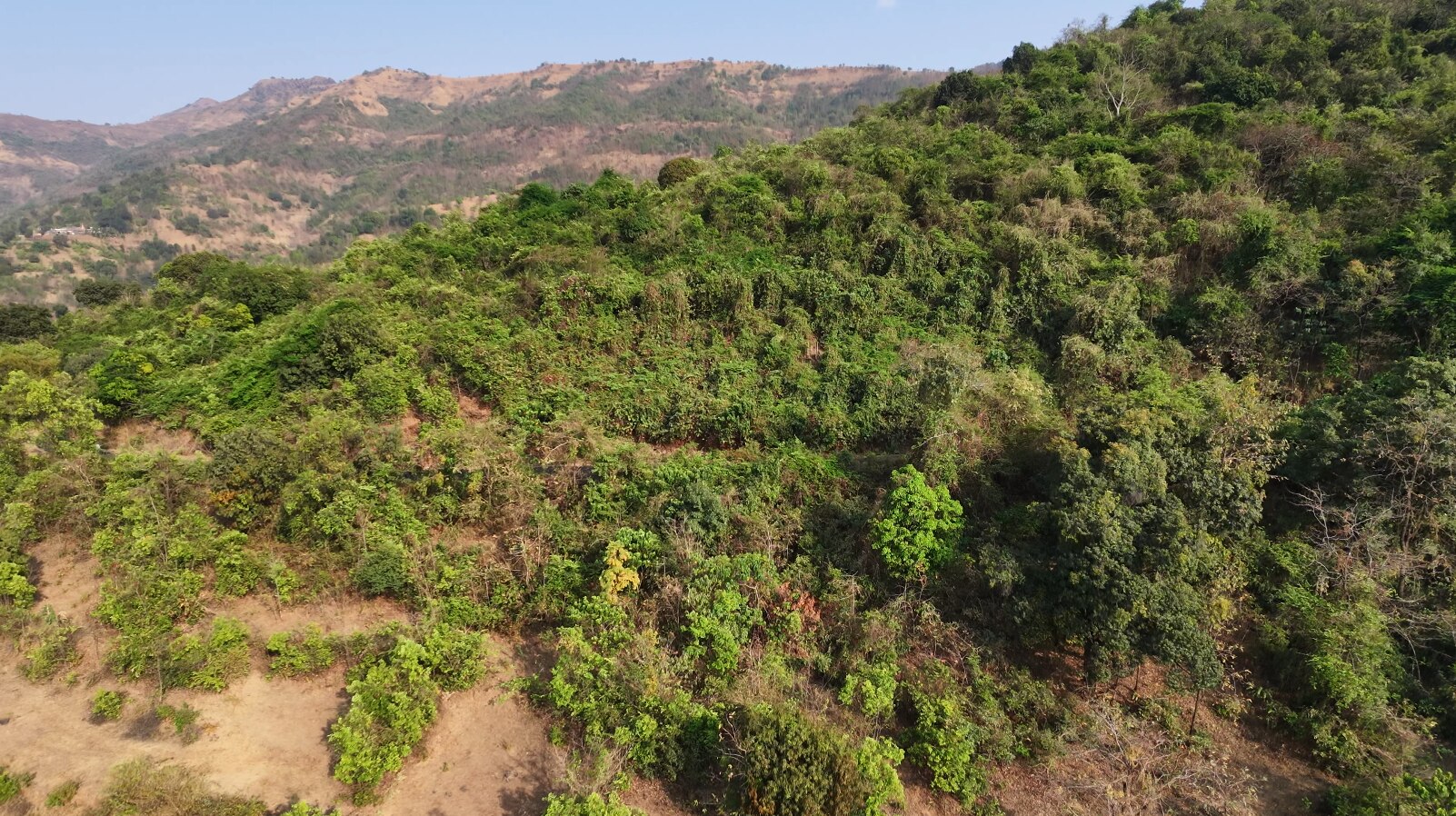
Finding a reliable seller involves more than choosing a farm shop or searching for “chemical-free vegetables near Mumbai.” You will be able to compare local buying routes, check certification and traceability, and decide whether delivery, a market, a collection point, or a farm visit offers the best value for your household.
Key takeaways
- Choose delivery, collection points or markets based on your Mumbai location.
- Check the certification label, licence details and traceability information.
- Compare edible yield, shelf life and delivery costs—not just price per kilogram.
- Buy directly from a farm when freshness and farm evidence justify the extra effort.
Choose the right place to buy for your Mumbai area
Choose your route by deciding whether you value a short trip, a fixed collection point, or doorstep delivery. Searches for organic vegetables near Mumbai cover several different arrangements, from city markets to farms outside the metropolitan area.
| Route | Nearby destinations | Travel and delivery arrangement |
|---|---|---|
| Farm shop | Panvel, Karjat, Alibaug and Palghar outskirts | You travel to the farm, often on a fixed opening day. Confirm hours and available crops before leaving. |
| Farmers’ market | Mumbai neighbourhood markets, Thane and Navi Mumbai | You shop in person at a scheduled stall or market. Selection depends on that day’s harvest, with no home delivery unless the seller separately offers it. |
| Community-supported agriculture | Mumbai, Thane and Navi Mumbai collection points | You subscribe to weekly boxes and collect them at a stated location or pay for delivery within listed pincodes. Contents change with the season. |
| Home-delivery service | Mumbai, Thane, Navi Mumbai and selected suburbs | The supplier consolidates produce and delivers on fixed days. Check the delivery fee, minimum order, substitution policy and delivery window. |
| Direct farm purchase | Farms around Karjat, Panvel, Palghar or Alibaug | You arrange a visit or pickup and carry the vegetables yourself. This reduces one handling stage, not necessarily the price. |
For farm fresh vegetables in Mumbai, ask for the harvest and packing dates before treating freshness as proof of organic production. A nearby farm can still deliver after several handling stages, while a certified supplier farther away can provide a dependable cold-chain or scheduled route.
Check current collection times, delivery pincodes and weekly availability; leafy crops spoil faster than gourds, pumpkins and root vegetables.
Check the label before you trust an organic claim
A “natural” or “farm fresh” label does not prove organic production. For organic vegetables near Mumbai, look for certification under India’s National Programme for Organic Production (NPOP) or Participatory Guarantee System–India (PGS-India), the two systems recognised by FSSAI’s organic-food regulations.
1. Check the pack or online listing for the Jaivik Bharat logo and the applicable certification details. Look for the certification system, certificate or licence information, and the producer or seller name. If loose vegetables have no label, ask the vendor which certified farm or PGS group supplied them.
2. Treat “chemical-free vegetables near Mumbai” as an unverified description, not a certification. Organic standards permit specified inputs and crop-protection materials; certification means the farm follows an approved standard and meets inspection or peer-appraisal requirements.
3. Read “pesticide-free” carefully. It might describe a seller’s growing method, but the phrase alone does not establish which substances were excluded, how the claim was checked, or whether production records exist.
4. Separate freshness from organic status. “Farm fresh” tells you about neither certification nor cultivation; ask for the harvest date, packing date, and delivery route if freshness matters. A short trip from a farm does not prove same-day harvest or organic compliance.
A seller who cannot show current certification details should describe the vegetables as conventionally verified by its own claim, not certified organic. Keep the label or listing until you have finished the purchase.
Ask for harvest, farm and handling evidence
Ask for dates and documents, not a polished farm tour. A seller offering organic produce farms near Mumbai should be able to identify the plot, production standard, harvest lot and handling route behind your vegetables.
- Which certification covers this farm: NPOP or PGS-India? Ask to see the current certificate, or the current PGS group documentation, with the farm name and validity dates.
- What inputs were used on this crop? Request input purchase records and field logs showing fertilisers, pest-control materials, application dates and crop location.
- When were these vegetables harvested and packed? Compare both dates with the delivery date; “farm fresh vegetables in Mumbai” does not prove same-day harvest.
- How do you prevent contamination from neighbouring conventional fields, roadside dust and irrigation water? Ask about buffer zones, water checks and field separation.
- What is the harvest-lot or batch number? It should connect the crate or invoice to a field and harvest record.
- How are vegetables moved into Mumbai? Ask whether the vehicle carries other lots, whether crates are labelled, and how long produce remains in transit.
- Where are they stored, at what temperature, and for how long? Ask whether organic and conventional lots use separate, clearly marked storage.
- What happens if a customer reports spoilage or a suspected mix-up? Request the complaint-handling process and the person responsible for tracing the lot.
A farm that cannot show records is asking you to trust appearance. Inspecting leaves cannot prove the production history.
Compare premium organic vegetables by usable value
Price per usable kilogram—not the sticker price—reveals whether premium organic vegetables in Mumbai offer value. Weigh the edible portion after trimming wilted leaves, removing damage and discarding spoilage.
| Factor | Organic option | Conventional benchmark |
|---|---|---|
| Freshness | Ask for harvest and packing dates; firm, unwilted produce matters more than the word “fresh” | Compare the same dates, firmness and expected refrigerator life |
| Seasonality | Choose crops harvested in their natural season for better flavour and lower waste | Out-of-season produce may involve longer storage or distant sourcing |
| Certification | Look for Jaivik Bharat and current NPOP or PGS-India details | Do not treat “natural” or “pesticide-free” as certification |
| Delivery | Check delivery days, cold handling, minimum order and missed-delivery policy | Compare the same fees, time window and handling conditions |
| Packaging | Prefer clean, breathable, appropriately sized packs; reusable packaging reduces waste | Excess plastic can erase a low price advantage |
| Distance | A nearby farm reduces travel time, not automatically chemical use or spoilage | A farther supplier can match quality with efficient routing |
| Price | Divide the bill by usable kilograms after trimming and waste | Compare identical weights and edible portions |
“Farm fresh vegetables in Mumbai” describes freshness and logistics, not organic status. Ask whether lots travel together and how long delivery takes. A direct farm can charge more for manual weeding, approved inputs, certification, packing and last-mile delivery; buy on evidence and usable value, not distance alone.
When a direct farm purchase is worth the effort
Before paying a premium or committing capital, inspect the farm’s records, not just its neat beds. A visit to organic produce farms near Mumbai should test whether the operation can prove its practices and deliver consistent, usable harvests.
- Ask for the current NPOP certificate or PGS-India group documentation. Check the farm name, certificate status, scope of crops, validity dates and certifying body; “natural” and “chemical-free” are not certification.
- Request input purchase records and field logs for fertilisers, bio-inputs, pest controls, irrigation and soil work. A farm that cannot trace what entered each plot cannot substantiate its organic claim.
- If the land was conventionally farmed, obtain the certifier’s written conversion plan. Confirm the required conversion period, crop conditions and the date when harvests become eligible for certified-organic sale before projecting premium organic vegetables in Mumbai.
- Review harvest records, packing dates, delivery routes, complaint handling and rejected-lot procedures. Short distance does not prove same-day harvest, careful handling or low spoilage.
- Compare the delivered price per usable kilogram after trimming and spoilage with a market or delivery alternative. Manual weeding, certification, packing and last-mile transport can make direct buying costlier.
For an investment, also inspect land tenure, water rights, crop plans, operating budgets and the person responsible for farm management. A farm visit to GroPure Organic Farm is useful only if it leads to these documents and answers, rather than serving as a visual assurance.
Frequently asked questions
How should I choose where to buy organic vegetables near Mumbai?
Choose between a nearby market, a fixed collection point, doorstep delivery or a farm visit based on travel time, order size and delivery convenience.
What should I check before trusting an organic vegetable claim?
Read the full label for the certification mark, certification or licence details, producer name, batch information and packing date. Treat phrases such as chemical-free as separate from certified organic status.
What evidence should an organic farm provide?
Ask for the farm name and location, certification or licence copy, crop and harvest details, packing date, batch traceability and handling information.
When is a direct farm purchase worth the effort?
A direct purchase makes sense when you want farm-fresh vegetables, can meet the minimum order or collection schedule, and value farm evidence enough to offset travel, storage and coordination.