Choosing organic rice, ragi, millets, wheat and dals involves more than paying extra for a “natural” label. You will learn how to distinguish certified organic food from chemical-free claims, judge the practical benefits and limits, and compare products before you buy organic pulses in Bengaluru.
Key takeaways
- Check the India Organic or PGS-India mark and the certification details.
- Organic certification does not mean zero residues or guaranteed higher nutrition.
- Compare harvest dates, batch numbers, packaging, storage and traceability before buying.
- Do not treat “chemical free grains” as a recognised certification claim.
What makes a grain or pulse organic in India?
Organic grains and pulses are crops such as rice, wheat, ragi, millets, dal and beans grown, processed and handled under an approved organic standard. “Chemical free grains” is not a certification category: every food contains chemical compounds, and organic certification does not promise zero residues or contamination.
1. Under India’s National Programme for Organic Production (NPOP), farms restrict synthetic fertilisers, pesticides, herbicides, growth regulators and genetically modified organisms. They may use specified inputs, including compost, botanical extracts, microbial inputs and approved mineral products. Certification checks the production and handling system, not a claim that the finished grain contains no chemical substance.
2. PGS-India is a participatory certification system used for eligible local producer groups. NPOP certification is the route commonly associated with India Organic. Look for the applicable certification mark and the Jaivik Bharat logo on a packaged product; the Food Safety and Standards (Organic Foods) Regulations, 2017 govern these claims.
3. Before buying in Bengaluru, read the FSSAI licence number, certifier or PGS-India details, packer or seller name and address, product identity, packing or harvest information, and lot or batch number. A matching lot record provides traceability; a logo without these details proves little.
These checks matter more than the phrase “natural” when you compare organic grains benefits with price. Also inspect the seal and pack for moisture, insects, mould or a musty smell: certification cannot correct contamination or poor storage.
Which household benefits are real for nutrition, safety and sustainability?
For nutrition, the food itself matters more than the organic label. Rice, wheat, ragi and other millets supply energy; less-refined versions retain more fibre and bran. Toor dal, moong dal, chana dal and urad dal provide plant protein, fibre, folate, potassium and other micronutrients whether conventionally or organically grown.
| Benefit | What it comes from | What organic status changes |
|---|---|---|
| Nutrition | Grain refinement and pulse composition | It does not guarantee higher nutrient content |
| Food safety | Clean handling and tested storage | Lower likelihood of detectable pesticide residues, not zero residues |
| Sustainability | Soil, water and input management | Restricts many synthetic inputs and supports approved alternatives |
The strongest evidence behind organic grains benefits concerns pesticide exposure: organic production is associated with a lower likelihood of detectable pesticide residues. It does not prove superior nutrition, freedom from contamination or better taste.
For the benefits of organic grains and pulses in Bengaluru, look beyond the kitchen. Crop rotation, compost and other soil-building practices can reduce reliance on synthetic fertilisers and pesticides while improving soil management. Organic pulses in Bengaluru do not become nutritionally different because their cultivation method changed.
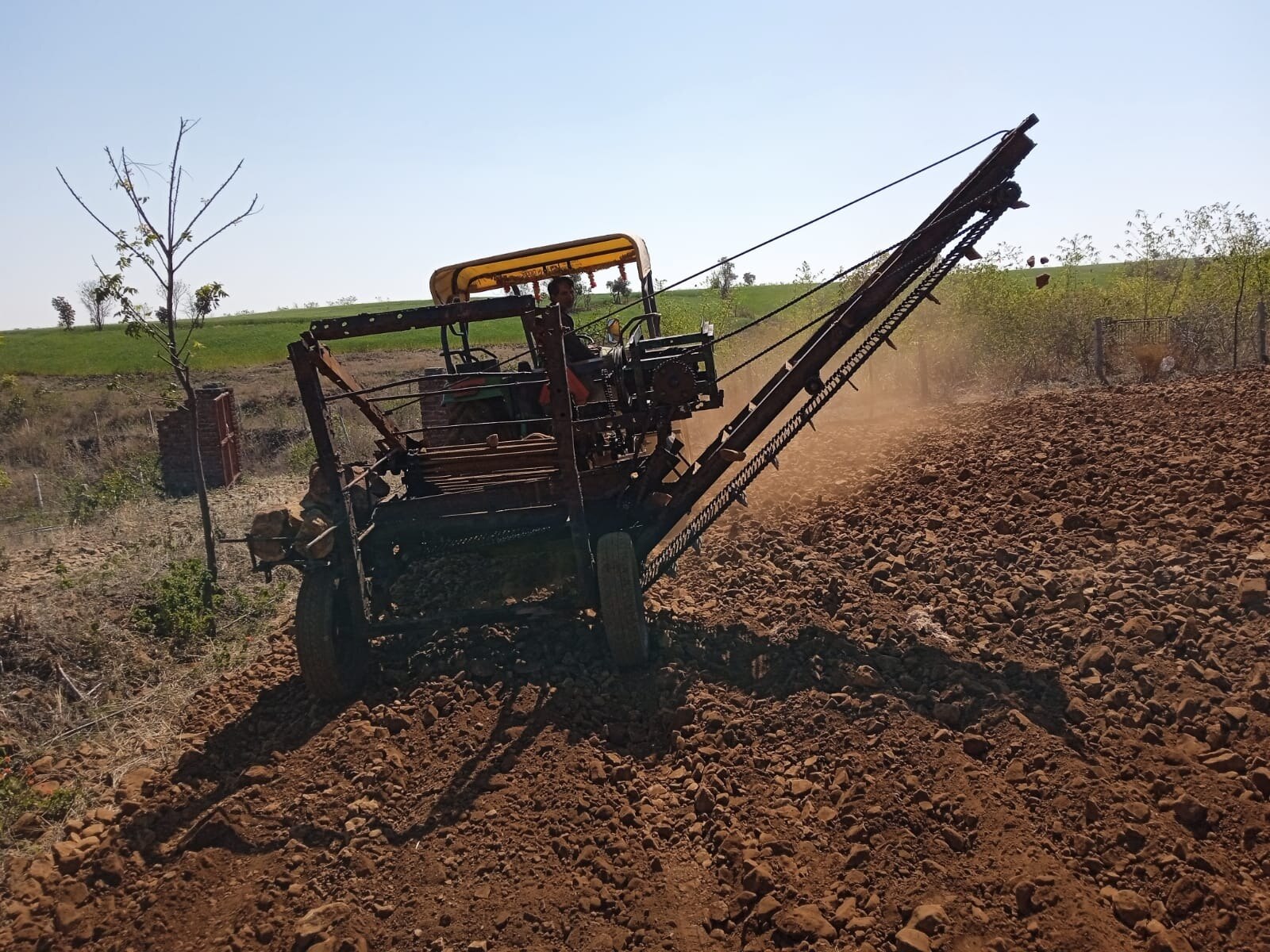
Farmers also face a clear trade-off. Excluding many synthetic herbicides and pesticides can reduce exposure to hazardous farm chemicals, but manual or mechanical weeding, timely sowing and biological controls require more labour. Poor pest or weed timing can reduce yields, so organic production is not simply conventional farming without purchased chemicals.
Will organic grains and pulses cook, taste and store better?
Organic pulses do not automatically cook faster, taste better or digest more easily. Soaking, sorting, washing, pressure-cooking and thorough heating matter more: remove stones and damaged grains, soak as the variety requires, discard soak water where appropriate, and cook until fully tender.
Phytate, tannins and trypsin inhibitors occur naturally in pulses, including organically grown ones; organic certification does not remove them.
The organic grains benefits people notice may come from the grain’s form, not its farming label. Whole or minimally polished rice, ragi and millets retain more bran and germ than highly polished products, creating differences in texture, flavour and fibre.
“Chemical free grains” is not a guarantee of superior taste, and organic status does not specify how much a grain was milled.
In Bengaluru’s warm, sometimes humid conditions, buy quantities you can finish before quality declines. Check harvest or packing dates, and store adequately dried grains in clean, moisture-proof containers away from heat and humidity.
- Reject packs with insects, rodent damage, mould, clumping, moisture damage or a musty odour.
- Ask how the lot was dried and stored; poor handling can create mould and aflatoxin risk before or after purchase.
- Do not assume organic certification guarantees pesticide-free storage, zero contamination or safety after poor handling. Aflatoxin is not reliably removed by ordinary cooking.
How should you compare organic food sources in Bengaluru?
Start by comparing a lot, not a logo. Whether you buy organic pulses in Bengaluru from a supermarket, certified online seller, farmers market, community buying group or managed farm, ask for the exact variety, farm or origin, harvest or packing date and lot or batch number.
| Source | Check first | Main limitation |
|---|---|---|
| Supermarket | Sealed pack, certification, FSSAI licence, packer name and address | Retail staff may not know farm details |
| Certified online seller | Certificate, Jaivik Bharat information where applicable, lot documents | Inspect the delivered pack before accepting it |
| Farmers market | Farm identity, handling, storage and lot identity | Loose produce offers less traceability |
| Community buying group | Shared invoices, certification and batch records | Responsibility for storage may be unclear |
| Managed farm | Crop records, soil tests, storage controls and conversion period | It cannot prove quality or certification for every seller or lot |
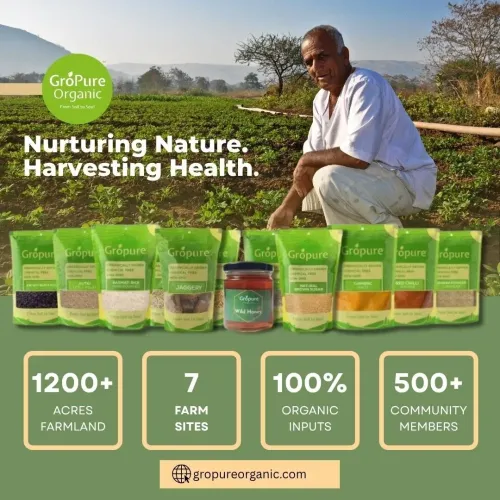
Sealed packs provide traceability and tamper evidence. Loose organic pulses in Bengaluru require stronger questions about source, handling, storage and lot identity. GroPure Organic Farm is one managed-farm option to investigate, not proof of certification or product quality.
- Compare price per kilogram and likely cooking yield after soaking.
- Check certification scheme, FSSAI licence and Jaivik Bharat details.
- Ask about moisture measurement, quality testing and storage method.
- Reject insects, mould, musty odour, excessive broken grains or dirt.
- Inspect seals, tears, swelling and moisture damage.
A managed farm can document conversion periods and crop-level yield realities; it cannot promise equal yields across crops. Compare these records before judging the benefits of organic grains and pulses in Bengaluru.
Which organic claims and buying mistakes should you avoid?
A premium does not prove higher protein, better taste, zero pesticide residue, freedom from aflatoxin, or freedom from phytate, tannins and other naturally occurring anti-nutrients. “Natural” and “chemical-free grains” are marketing descriptions, not substitutes for certified organic status.
- To buy organic pulses in Bengaluru, check the exact pulse, harvest or packing lot, NPOP or PGS-India claim, Jaivik Bharat information where applicable, FSSAI licence, certifier, packer and batch number.
- Reject packs with moisture damage, insects, mould, broken seals or a musty odour. Do not assume unpolished means organic, organic pulses need no soaking, or a logo proves anything without traceable details.
- Buy a manageable quantity. Warm, humid storage can cause insects, mould and aflatoxin contamination, which ordinary cooking does not reliably remove.
Compare the decision on evidence, not price alone:
| Option | What the premium may reflect | What it does not prove |
|---|---|---|
| Organic price | Conversion periods, manual weed control, crop losses and storage controls | Better taste, nutrition or safety |
| Documented lot | Source, packing date, testing and traceability | Zero contamination |
| Unpolished grain | More bran and germ | Organic cultivation |
Choose the product with a verifiable source, intact packaging, recent packing information, clean sound grains and a certification claim that matches the exact product.
Frequently asked questions
What makes a grain or pulse organic in India?
It must follow an approved organic standard and carry verifiable certification or PGS-India details. Check the certification mark, operator or group name, product batch and scope before buying.
Are organic grains and pulses more nutritious?
Organic status does not guarantee higher protein, fibre or vitamin levels. Nutrition depends on the crop, variety, processing, storage and cooking method.
Will organic grains and pulses cook or taste better?
Not automatically. Cooking time and flavour vary with variety, age, moisture, milling and storage. Soak pulses, rinse grains and adjust water to the specific product.
How should you compare organic food sources in Bengaluru?
Compare certification, farm or processor traceability, harvest or packing date, batch details, packaging quality, delivery conditions and return or complaint procedures.
What organic claims should you avoid?
Treat “chemical free grains” as marketing, not a certification category. Also question claims such as “100% pesticide-free,” “detoxifying” or “more nutritious” without named standards or test evidence.