Choosing an organic dal is only the first step: you also need the right pulse, portion, cooking method and label evidence for the meal you actually eat. By the end, you will be able to build protein-rich Delhi meals, reduce common digestion problems and compare packaged pulses without treating “natural” or “chemical free” as certification.
Key takeaways
- Rotate dal, rajma, chole and sprouts instead of relying on one pulse.
- Compare protein by cooked portion, not only dry-pulse nutrition figures.
- Check the Jaivik Bharat logo, certification details, batch number and FSSAI licence.
- Soak and cook pulses properly to improve texture, digestion and meal variety.
Which pulses belong in an everyday Delhi kitchen?
Build meals around rotation, not one “best” dal. For organic pulses for everyday meals in Delhi, compare a cooked portion: water absorbed during soaking and cooking lowers protein per 100 grams, while dry pulses usually contain about 20–25 grams per 100 grams. The figures below are approximate and vary by variety and cooking method.
| Pulse | Protein per 100 g cooked | Protein in a 150 g bowl | Everyday use |
|---|---|---|---|
| Masoor dal | 9 g | 13.5 g | Dal tadka, khichdi |
| Moong dal | 7 g | 10.5 g | Light dal, sprouts |
| Chana dal | 8.8 g | 13.2 g | Dal, dal paratha |
| Toor dal | 7.2 g | 10.8 g | Sambar, everyday dal |
| Urad dal | 7.9 g | 11.9 g | Dal makhani, idli batter |
| Rajma | 8.7 g | 13.1 g | Rajma chawal |
| Kabuli chana | 8.9 g | 13.4 g | Chole, salads |
Pair the bowl with rice, roti or millets, and add curd, paneer, soy or another protein food when you need a more substantial vegetarian meal. A varied rotation also spreads differences in fibre, cooking time and antinutritional factors.
For packaged pulses, treat “organic” as a certification claim: look for the Jaivik Bharat logo and NPOP or PGS-India identification details. “Natural” and “chemical free” alone do not prove certification.
How to cook dal, rajma, chole and sprouts for better meals
Soak whole rajma and chole for 8–12 hours, then discard the water and rinse them. Split dals need only a 20–30-minute soak, while moong dal cooks quickly without one. This saves fuel, softens skins and removes some water-soluble compounds linked with digestive discomfort.
1. Sort and rinse every pulse before soaking. Add fresh water, ½ teaspoon salt per cup of beans, and pressure-cook soaked rajma for 25–30 minutes or chole for 20–25 minutes. Let pressure release naturally; rajma must be completely soft because undercooked beans can retain harmful lectins.
2. Cook masoor, moong, chana dal and toor dal with about three times their volume of water for 8–12 minutes under pressure. Release pressure naturally for a creamier texture. Add tomato, lemon or other acidic ingredients after the dal softens, or cooking will take longer.
3. Temper cooked dal with cumin, garlic, ginger, turmeric and a pinch of hing. Ajwain can suit chole and rajma, but start with ¼ teaspoon per pot; too much overwhelms the dish. Rinse cooked beans if they feel heavy or cause bloating.
4. Rinse sprouted moong or chana thoroughly and steam or pressure-cook until tender instead of eating large raw portions. Keep sprouts refrigerated and use them promptly.
For people choosing organic protein foods in Delhi, preparation matters as much as the label: serve dal with rice, roti or millet, and add curd, paneer or soy for a more satisfying meal.
How to identify certified organic pulses on a Delhi shelf
A logo alone does not prove that dal is organic. On a sealed pack, look for the Jaivik Bharat logo alongside the applicable certification details under India’s NPOP or PGS-India system.
1. Check the label for “Organic” and the named system: NPOP certification or PGS-India. NPOP packs should identify the accredited certification body; PGS-India packs should show the PGS identification details. A plain FSSAI licence confirms food-business registration, not organic status.
2. Match the certification information with the product details: brand or producer name, packer, batch or lot number, net weight, packing date, and use-by or best-before date. Keep the pack if you need to raise a quality complaint.
3. Reject a loose pile or unsealed pouch promoted only as “pure,” “natural,” “farm fresh,” or “chemical free.” Those words describe marketing claims, not recognised organic certification.
The search phrase “chemical free dal in delhi” is technically misleading. Organic standards restrict synthetic fertilisers and pesticides but do not mean the food contains no chemicals; approved substances can be used, and certification is not a zero-residue guarantee.
Also inspect the pack itself. Dampness, insect holes, webbing, clumping, or a swollen pouch points to storage failure, not an organic advantage. Choose intact packaging with clear traceability rather than paying more for an unsupported farm story.
How to compare organic pulse sellers, packs and provenance
Compare price per 100 g, pulse variety and pack age—not just the organic logo. A premium masoor pack is poor value if it cooks unevenly, contains stones or sits near its best-before date. Whole pulses usually tolerate storage better than split pulses, which lose quality faster after opening.
| Seller or pack | What to verify | Warning sign |
|---|---|---|
| Certified packaged pulse | Jaivik Bharat logo, NPOP or PGS-India identification, batch number, pack date, best-before date and seller details | “Natural” or “chemical free” without certification information |
| Farm-linked seller | Named growing region, producer or farm group, aggregator, and a batch trail from harvest to pack | “Direct from our farm” with no location or lot record |
| Loose dal | Cleaning, covered storage, turnover and a receipt showing seller and batch details | Open sacks beside damp floors, insects, dust or mixed lots |
| Sealed retail pack | Intact seal, dry grains, no webbing, mould, clumping or unusual odour | Torn packaging, moisture marks or a faded date |
Ask how the pulses were dried, cleaned and stored. Insects and mould can damage certified organic stock; certification does not replace moisture control, hygienic storage or first-in-first-out rotation.
Delhi’s supply chain also matters. Regional sourcing from pulse-growing states, aggregation, transport and retail margins mean a certified product is not automatically locally produced. If you buy organic pulses in Delhi, treat a farm claim as evidence only when the seller can name the region and trace the lot.
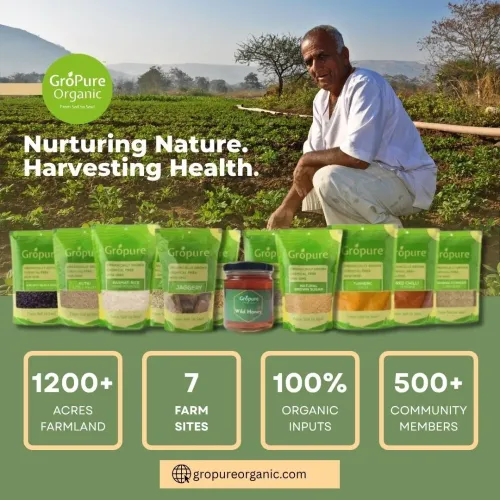
GroPure Organic Farm should meet that same test as any other seller.
How to turn pulses into balanced Delhi meals for every age
A practical adult plate uses ½–1 cup cooked dal, rajma, chole or other pulse, plus one cereal serving: 1–2 rotis, ¾–1 cup cooked rice, or 1–1½ cups cooked millet. This pairing supplies complementary amino acids; you do not need to eat them in the same mouthful.
1. Give children ¼–½ cup cooked pulse with soft rice, roti pieces, millet khichdi or dal paratha. Start with smaller portions, mash rajma or chole, and increase gradually if gas or fullness occurs.
2. Serve adults ½–1 cup cooked pulse at lunch or dinner. Dal tadka with rice, rajma chawal, chole with roti, and sambar with millet make complete vegetarian meals; add curd for vegetarians if desired.
3. Offer older people ½–¾ cup of well-cooked, soft pulse with rice or a soft roti. Moong dal, thin masoor dal and khichdi are easier to chew; reduce chilli and salt when a medical diet requires it.
4. Build vegan meals with dal, chickpeas or beans plus rice, roti or millet, then add tofu, tempeh or fortified soy milk when you need more protein. A cooked lentil serving provides about 9 g protein per 100 g, so portion size matters.
Rotate varieties rather than relying on one premium pack. Certified organic protein foods in delhi and organic pulses for everyday meals in delhi still need balanced portions; “organic” does not make a cereal-free or pulse-heavy diet complete.
Frequently asked questions
Which pulses belong in an everyday Delhi kitchen?
Keep a rotation of dal, rajma, chole and sprouts. Different pulses vary in cooking time, texture, flavour and protein contribution, so rotation creates more varied meals.
How should you cook dal, rajma, chole and sprouts?
Soak rajma and chole before pressure-cooking them until fully tender. Cook dal with enough water for the variety, and use fresh, hygienically prepared sprouts rather than eating undercooked pulses.
How can you identify certified organic pulses on a Delhi shelf?
Look for the Jaivik Bharat logo, the certification or conformity details, the FSSAI licence number, batch number, packed date, net quantity and seller information. Do not treat ‘chemical free’ alone as proof of certification.
How should you compare organic pulse sellers and packs?
Compare the pulse variety, harvest or packing information, certification details, batch traceability, pack size, storage instructions and total price per kilogram. Ask the seller for provenance records when the label is incomplete.
How can pulses become balanced meals for every age?
Pair pulses with grains such as rice or roti, add vegetables and include an appropriate source of fat. Adjust texture, spice and portion size for children, older adults and anyone with chewing or digestion difficulties.